Carbon Markets and the MENA Energy Transition
Voluntary carbon markets are emerging as a critical mechanism for financing the energy transition across Gulf and North African economies. As regulatory frameworks mature and corporate net-zero commitments multiply, the demand for high-integrity carbon credits is growing faster than supply — creating compelling structural opportunities for early-positioned investors.
The State of Carbon Markets in MENA
The MENA region accounts for nearly 9% of global carbon emissions while hosting some of the world’s highest-quality carbon abatement opportunities. Saudi Arabia, UAE, and Egypt have all announced national carbon market frameworks, with the UAE Voluntary Carbon Market exchange launching in 2023 as a regional benchmark platform.
Mechanisms Under Development
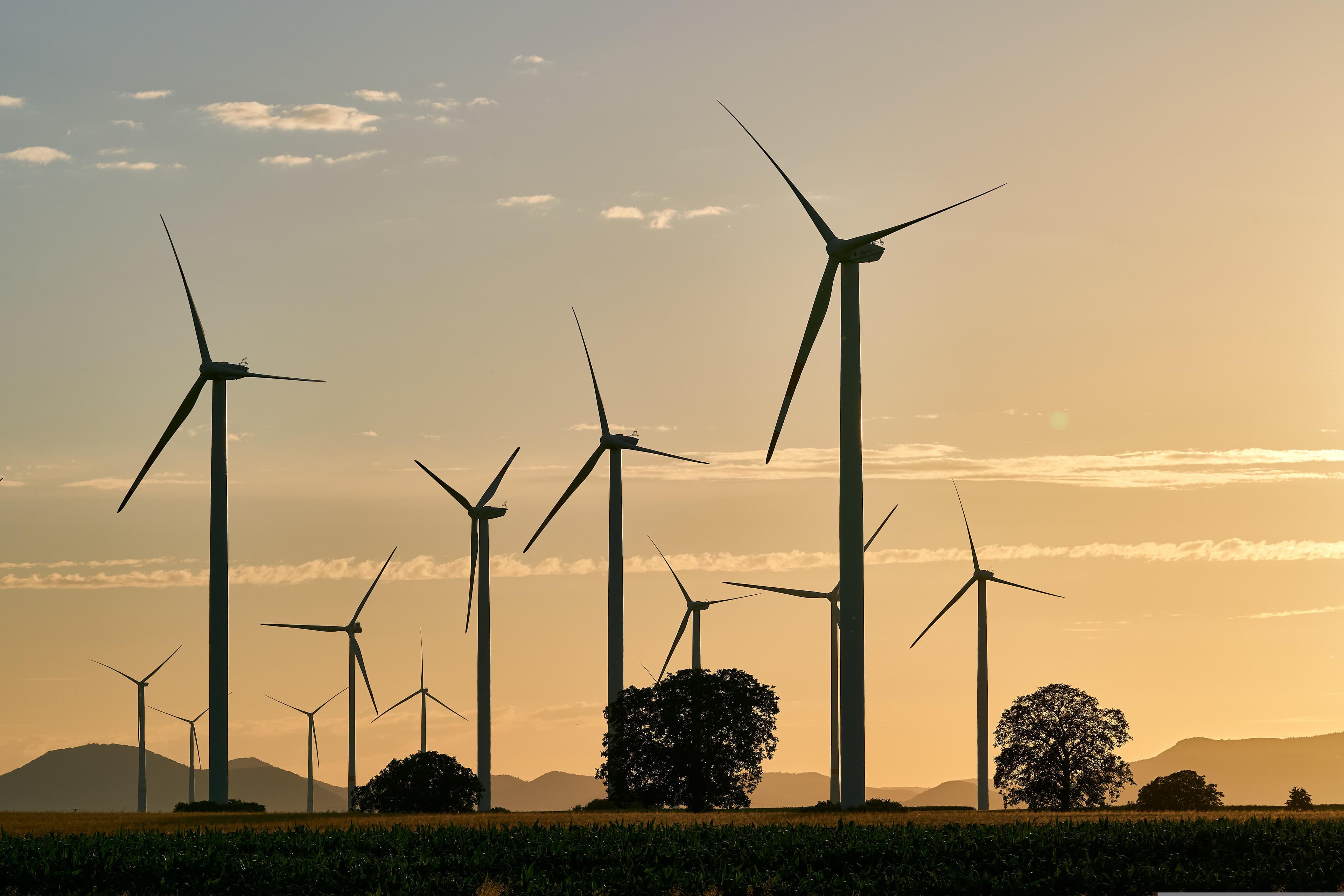
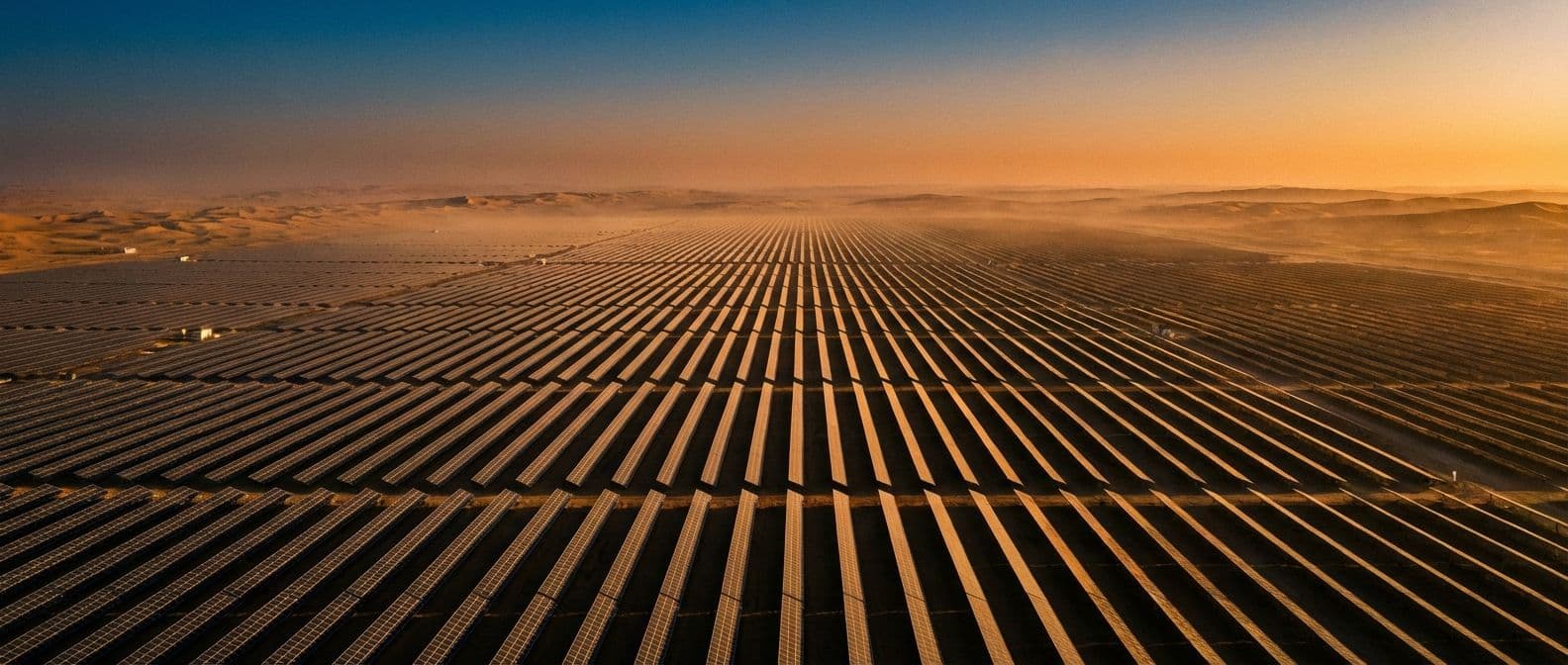
- Renewable energy certificates (RECs) — Gulf utilities are issuing RECs tied to solar and wind generation, creating a liquid instrument for corporate decarbonisation.
- Blue carbon credits — mangrove and seagrass restoration projects in the UAE and Oman are generating some of the highest-value credits on the market, with premium pricing of $40–120 per tonne CO2e.
- Methane abatement credits — upstream oil and gas methane capture projects are being registered under Gold Standard, targeting corporate buyers with Scope 1 reduction mandates.
- Article 6 bilateral agreements — Egypt and Morocco are pioneering bilateral carbon credit trading under Paris Agreement Article 6.2, which may unlock sovereign-grade credit supply.
“The quality gap between certified and uncertified credits will widen significantly over the next three years. Investors who position early in high-integrity supply chains will capture the premium.”
— Madad Energy Transition Research, 2025
Investment Thesis
The most defensible position in MENA carbon markets is not trading credits — it is owning the origination infrastructure: the monitoring, reporting, and verification (MRV) platforms, the project development pipelines, and the offtake relationships with corporate buyers. Platforms that control both credit supply and certification pathways generate structurally higher margins than pure credit traders.
Key Risks and Mitigants
- Regulatory fragmentation — mitigated by partnering with projects registered under internationally recognised standards (Gold Standard, Verra VCS) rather than waiting for domestic frameworks.
- Greenwashing scrutiny — addressed through independent third-party MRV and co-investment with multilateral institutions that apply rigorous additionality criteria.
- Price volatility — managed through long-duration corporate offtake agreements that lock in forward prices, insulating project economics from spot market swings.
For current investment opportunities in the energy transition pipeline, explore Madad’s next investments.